What cloud gaming actually is
Cloud gaming lets you play a video game without installing it locally. Instead, a remote server runs the game engine, renders each frame, and streams the video to your device over the internet. Your inputs travel back to the server, creating a two‑way data flow that feels like traditional console play. In practice, a 1080p stream at 60 fps needs about 15 Mbps of sustained bandwidth; lower settings can run on 5 Mbps connections.
Why the market exploded in 2022‑2024
Three factors converged to push cloud gaming from niche to mainstream. First, data‑centre density increased dramatically: major providers added over 30 percent more GPU‑rich servers in Europe alone, cutting latency from an average of 70 ms to under 40 ms for most users. Second, 5G roll‑outs gave mobile users a reliable 100 Mbps uplink, meaning a handheld can stream a demanding title without buffering. Third, subscription models such as “Game Pass Ultimate” bundled cloud access with existing libraries, driving a 45 percent rise in monthly active users between January 2023 and June 2024.
Real‑world benefits and the limits you’ll notice
On a high‑end laptop, a cloud session of Cyberpunk 2077 loads in under 30 seconds, compared with the 3‑minute install on a local SSD. That speed translates into less waiting and more playing, especially for families sharing a single console. The model also extends the life of older hardware; a 2015 MacBook can now run titles that would otherwise require a modern GPU.
However, the approach isn’t flawless. Users on asymmetric ADSL lines (e.g., 8 Mbps down / 1 Mbps up) experience noticeable input lag, making fast‑paced shooters frustrating. Moreover, because the game runs on a remote machine, you’re tied to the provider’s library – you can’t launch a self‑purchased indie title unless it’s been added to the catalogue.
How cloud gaming reshapes entertainment consumption
Streaming games mirrors the shift we saw with video on demand: content becomes a service rather than a product. This changes purchasing habits; instead of buying a $60 disc, players allocate a $12‑monthly fee and swap titles at will. It also encourages cross‑platform social play. A friend on a PlayStation, another on a Chromebook, and a third on a smart TV can all join the same match without worrying about hardware parity.
Developers are reacting, too. Some now design games with “stream‑first” graphics pipelines, prioritising lower latency encoding over ultra‑high‑resolution textures. The result is a new aesthetic – crisp enough for immersion, but optimised for the 30‑to‑60 fps sweet spot that most home connections can sustain.
Beyond games: the broader entertainment ripple
Cloud gaming isn’t an isolated phenomenon. It feeds into a larger ecosystem of streamed experiences, from interactive movies to virtual concerts. The same infrastructure that delivers a multiplayer battle royale can also host a live‑coded music set, blurring the line between gaming and other digital arts.
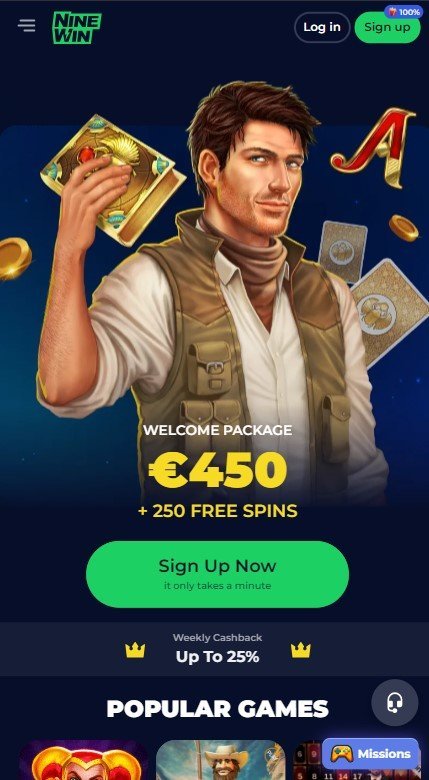
Even traditional gambling platforms are feeling the pressure to modernise. For instance, the online venue nine win has begun experimenting with cloud‑based mini‑games that sit alongside its usual offerings, showing how the technology can augment even legacy entertainment models.
What to watch for in the next two years
- Edge computing expansion: By 2026, more providers plan to locate servers within 10 ms of major urban centres, virtually eliminating lag for most European users.
- Hybrid ownership models: Expect “play‑now‑buy‑later” schemes where a streamed demo can be converted into a permanent download if you decide to keep the game.
- Regulatory scrutiny: As data flows increase, privacy regulators are tightening rules on how user input is logged and stored, which could affect pricing structures.
The rise of cloud gaming is still early, but the trajectory is clear. If you have a decent internet connection, the barrier to trying the latest releases is now measured in minutes rather than hours. That convenience, combined with the growing ecosystem of streamed entertainment, suggests we’re only seeing the first wave of a much larger shift.
Frequently Asked Questions
What is cloud gaming?
Cloud gaming streams games from a remote server to your device, so you don’t need powerful hardware locally.
How much bandwidth does cloud gaming need?
A 1080p stream at 60fps requires about 15 Mbps, while lower settings can run on 5 Mbps.